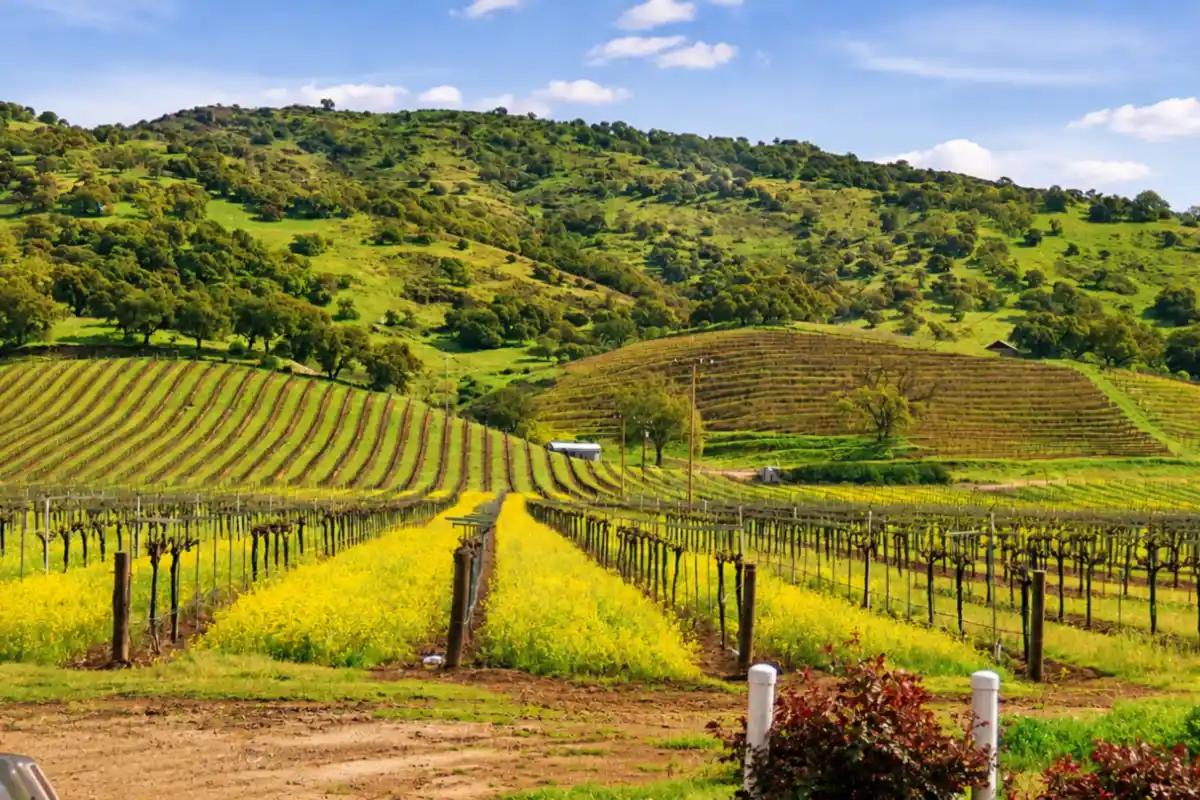
The best time to visit Napa Valley and Sonoma for harvest is September and October, when grapes are coming off the vines and the days are warm. For quieter tasting rooms, come from January through March, when yellow mustard blooms in the dormant vineyards. April and May bring mild weather and green hillsides as bud break begins.
By mid-February, the vines are dormant across Napa Valley and the ground between the rows is bright yellow. That’s wild mustard. It blooms through late winter and gives way to bud break in early spring, the start of a new growing season.
Harvest gets most of the attention, and fall is the busiest stretch of the year in both valleys. In May the hillsides are green and the vines are putting out new leaves, and by November the vineyards have turned yellow and red after the last grapes come in.
Below, we go through what Napa and Sonoma are like in every season, with a month-by-month table, how weekdays compare with weekends, and what to wear on a day trip from San Francisco.
If you’d rather have it all planned, our Wine Country Tour stops at a winery in each valley with tasting fees included, and it’s one of several day trips we run from San Francisco.
Best Time to Visit Napa Valley and Sonoma at a Glance
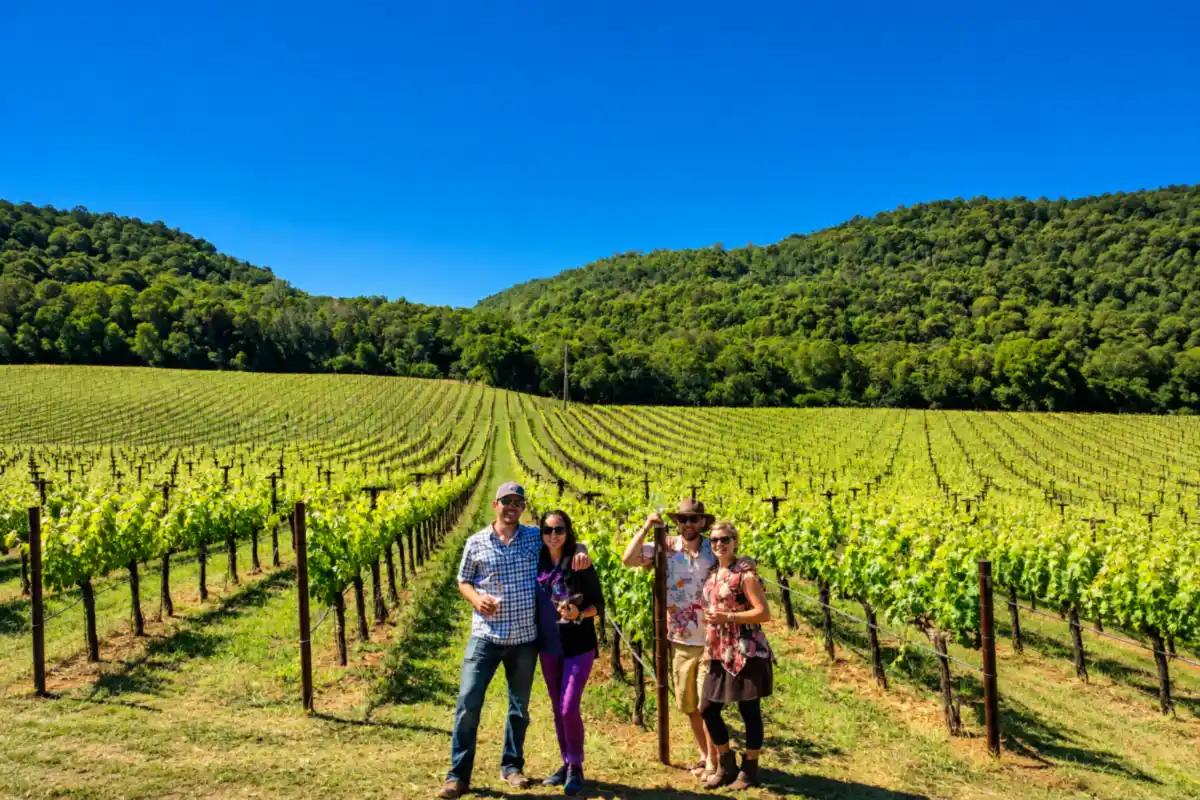
Napa Valley has a Mediterranean climate, with most of its rainfall arriving in winter, according to Visit Napa Valley, and the vineyards look different from one month to the next.
| Month | Weather | Crowds | In the vineyards | On the calendar |
|---|---|---|---|---|
| January | Cool, with winter rain | Quieter | Vines are dormant and mustard starts to bloom | Napa Truffle Festival, Restaurant Month |
| February | Cool, rain between sunny spells | Quieter | Mustard bloom usually peaks mid-month | Napa Lighted Art Festival |
| March | Mild, highs in the upper 60s | Picking up | Mustard fades and bud break begins | Napa Valley Marathon |
| April | Mild, highs around 71°F | Picking up | New shoots and green hillsides | Napa Valley StreamFest |
| May | Warm, highs around 76°F | Busy | Vines flower and fruit begins to set | BottleRock Music Festival |
| June | Warm and dry | Busy | Small green grapes form | Auction Napa Valley |
| July | Warm and dry | Busy | Grapes grow through the summer | Festival Napa Valley |
| August | Warm and dry | Busy | Harvest begins with white and sparkling grapes | Music in the Vineyards |
| September | Highs around 83°F | Busiest | Crush is in full swing | Harvest dinners and crush parties |
| October | Highs around 77°F | Busiest | Red grapes come in and leaves begin to turn | Harvest events, fall color in Sonoma |
| November | Highs around 66°F, rain may start | Quieter | Leaves turn yellow and red | Start of the holiday season |
| December | Cool, with winter rain | Quieter | Vines rest after the leaves drop | Holiday events in both valleys |
Visit Napa Valley names September and October as the busiest months of the year, and winter brings the calmest stretch in both valleys.
Pick the season that fits your trip:
- Harvest and crush events: September and October
- Mustard in bloom: January through March, peaking mid-February
- Fall color and a calmer pace: November
- Green hillsides and mild days: April and May
- Warm days and alfresco evenings: June and July
- Holiday events: December
Harvest Season in Napa and Sonoma (August to October)
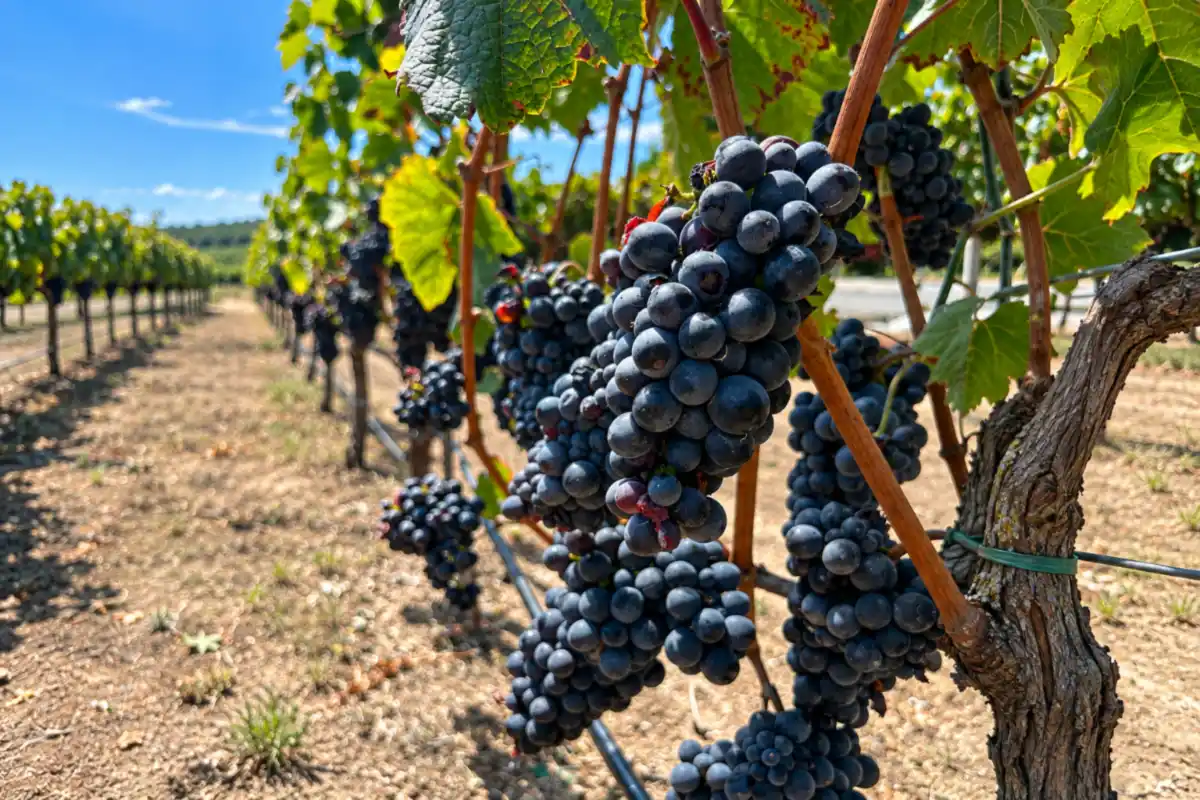
Harvest usually starts in August with the grapes for sparkling and white wines, and red varieties like Cabernet Sauvignon follow through October, sometimes into early November. Most picking happens overnight before sunrise, according to Visit Napa Valley. The crush parties and harvest dinners are in full swing by September and October, and early-fall highs sit around 83°F.
In Sonoma, the season opens with an annual bell-ringing celebration on Sonoma Plaza, the historic square lined with farm-to-table restaurants and tasting rooms.
This is the most popular time of year in wine country, so book restaurants and any extra tastings in advance. For a closer look at harvest events, autumn color and seasonal food, see our 10 reasons to visit Napa and Sonoma in fall.
Late Fall and the Holidays in Wine Country (November to December)
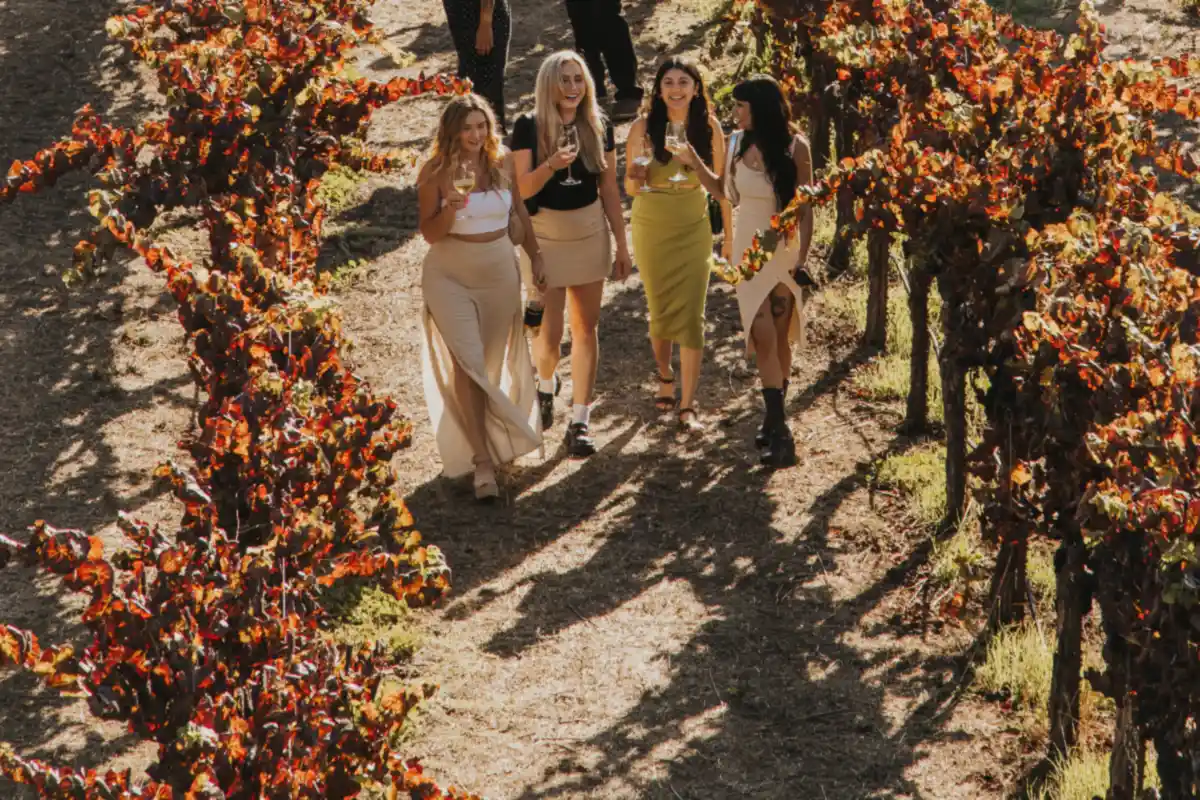
Once the last grapes are in, the pace across the valley eases. November is when the colors of autumn are on full display in Napa Valley, with the vine leaves turning yellow and red, and the harvest parties give way to fewer crowds at the most popular restaurants and wineries.
Highs drop to around 66°F in November, and the winter rainy season can begin that month. December brings the holidays to both valleys, a time when Sonoma comes alive with food, wine and celebration.
If eating well is a big part of your trip, our guide to Napa Valley food and wine pairing covers the best time of year for pairings.
Winter in Napa Valley and Mustard Season (January to March)
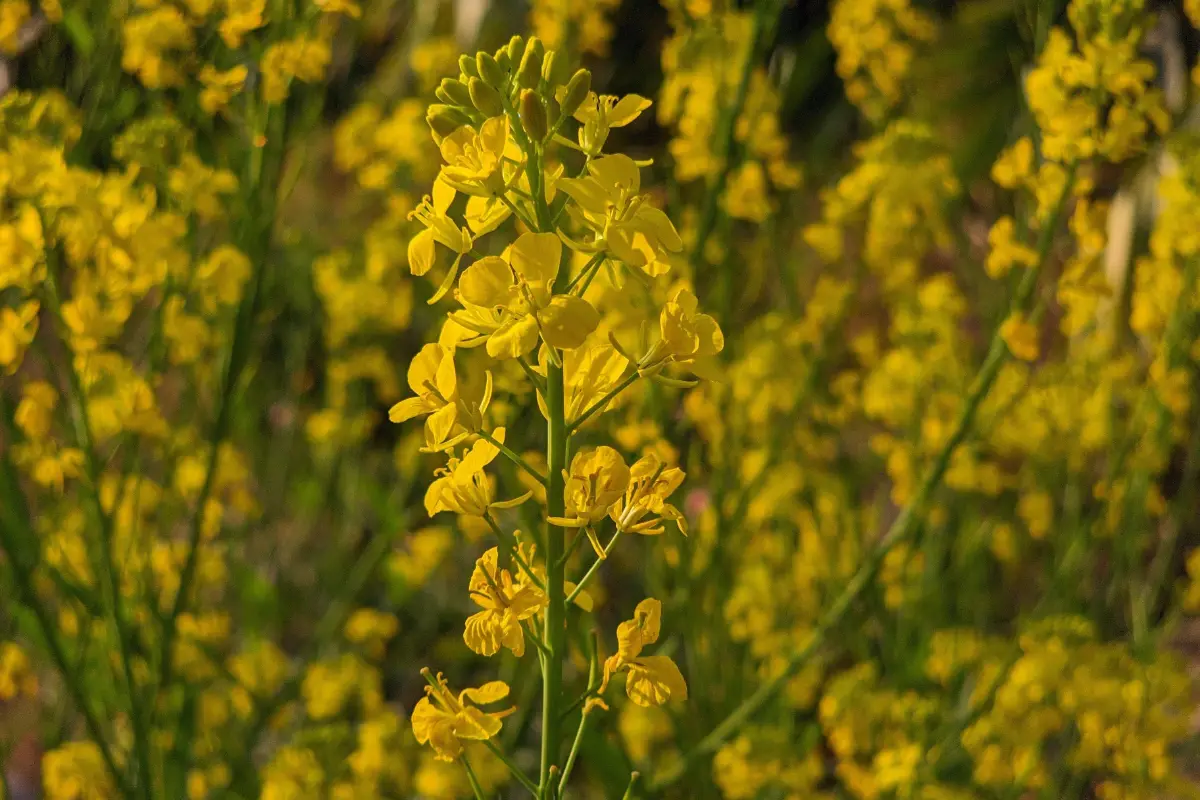
Mustard season runs from January through March depending on the weather, with peak viewing usually in mid-February. Visit Napa Valley tracks the bloom on its Wild Mustard Season page, and downtown Napa hosts mustard-season events with wine tastings and live music.
Winter is the low season in both valleys. Napa’s tourism board describes it as a tranquil time with picturesque vineyards and cozy wine tasting rooms, and Sonoma sees lighter crowds from January through March as well.
Rain tends to arrive in short spells, followed by clear skies and sunny days that leave the hillsides bright green. Daytime highs average around 60°F, and the events calendar stays full all winter:
- Napa Truffle Festival and Restaurant Month in January
- Napa Lighted Art Festival from January into February
- Cabernet Season, Napa Valley’s season-long winter celebration
Spring in Napa Valley and Sonoma (April to May)
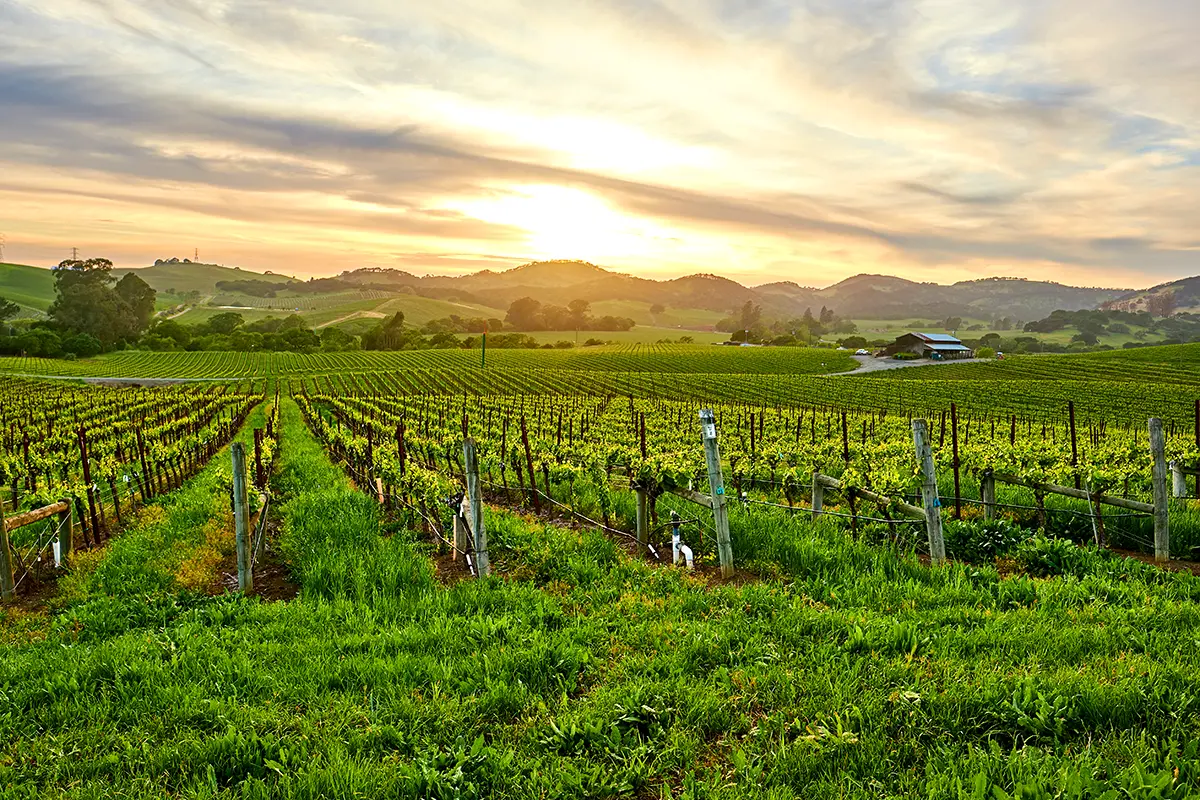
Spring in Napa Valley starts with bud break, when the vines push out their first shoots after winter. Later in the season, tiny flowers give way to small green grapes, a stage growers call fruit set.
Average highs reach around 71°F in April and 76°F in May, with only a few rainy days each month. Wildflowers fill hillsides that stay lush and green from the winter rain, and the season lends itself to outdoor activities like hiking and biking, hot air balloon rides and paddleboarding on the Napa River.
Visitor numbers start to climb as spring goes on, and BottleRock Music Festival takes place in Napa in May. Over in Sonoma, the mild weather makes it easy to explore Sonoma Plaza, with its shade trees, boutique shops, 30-plus tasting rooms and a park made for a picnic lunch.
Summer in Napa Valley and Sonoma (June to July)
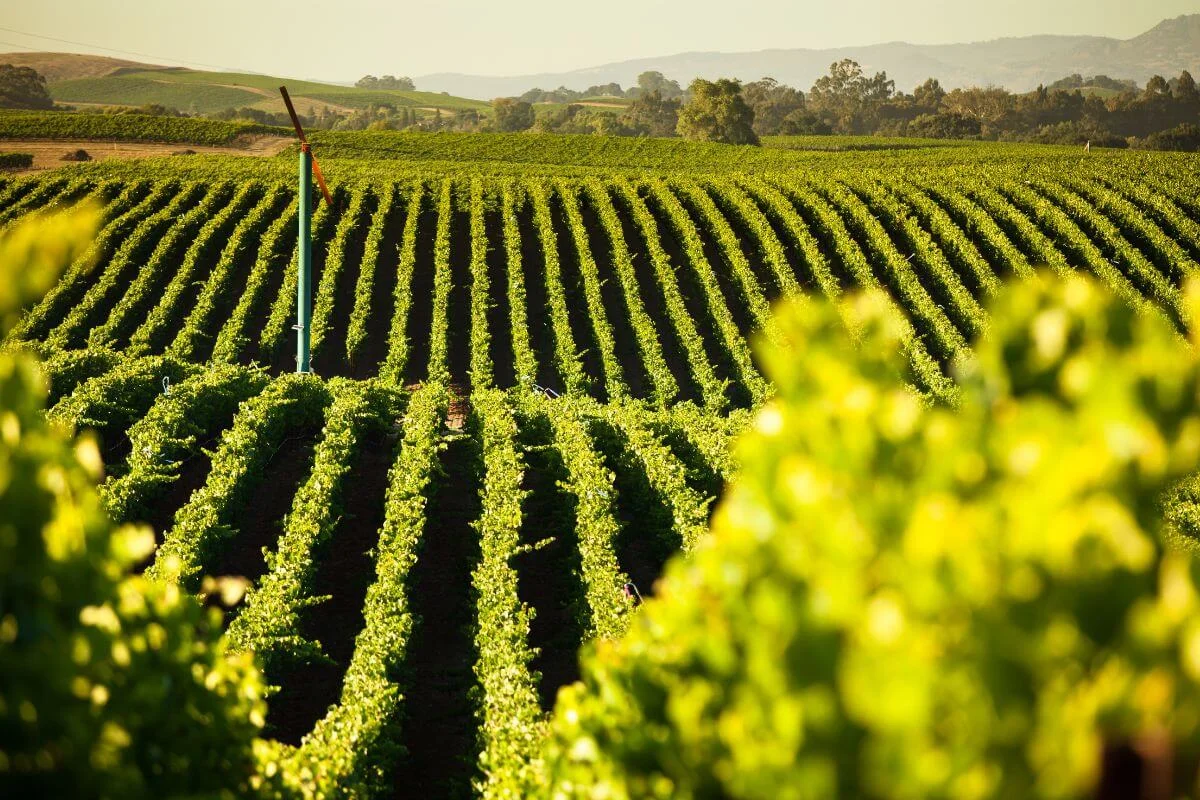
Summer brings average highs in the low 80s and almost no rain. The hills turn golden while the vines on the valley floor fill out, and the grapes keep growing through June and July ahead of harvest.
It’s a big change from San Francisco. CBS News Bay Area reports an average summer high of 67°F in the city and 83°F in Napa, so a jacket at Fisherman’s Wharf and sunglasses in the vineyards can both come in handy on the same day.
Visit Napa Valley highlights alfresco tastings, hiking and music this time of year, and recommends a sweater for outdoor dining in the evening, since temperatures drop after sunset. Festival Napa Valley takes place in July, and weekends get busier through the summer months.
How Weekdays and Weekends Change a Wine Country Visit
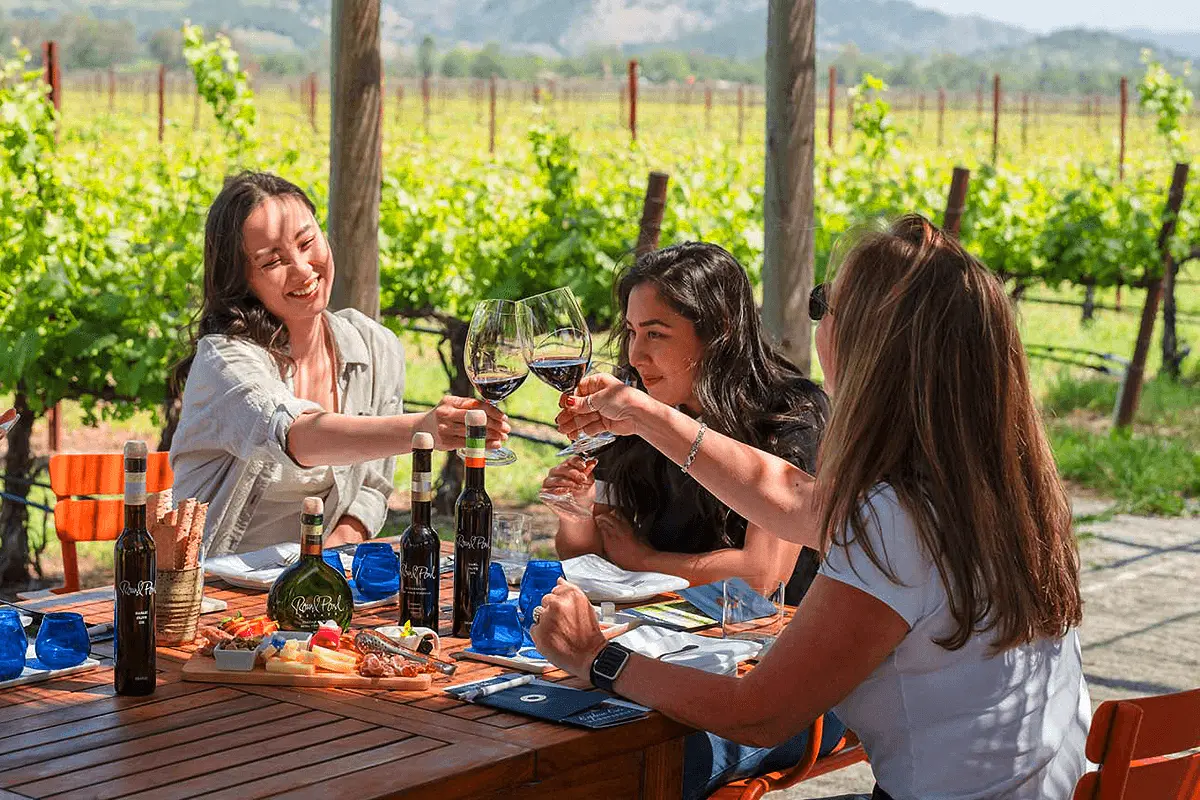
The day of the week shapes your visit as much as the month does. Weekends are the busiest days, especially with summer crowds and harvest visitors, so restaurants and tasting rooms book up faster on Saturdays and Sundays.
Weekdays tend to be calmer, a good fit if you like a slower pace and longer conversations with the people pouring your wine. If your trip to Napa is for a birthday, an anniversary or a girls’ getaway, weekends bring a livelier buzz to the plazas and patios.
If you’d like a city day and a wine country day in one booking, the 48 Hour Combo pairs a San Francisco day with Muir Woods and Alcatraz and a separate day in Napa and Sonoma. Our guide to Napa Valley wine tasting also covers what to expect at five well-known Napa Valley wineries.
How Napa and Sonoma Compare Through the Year
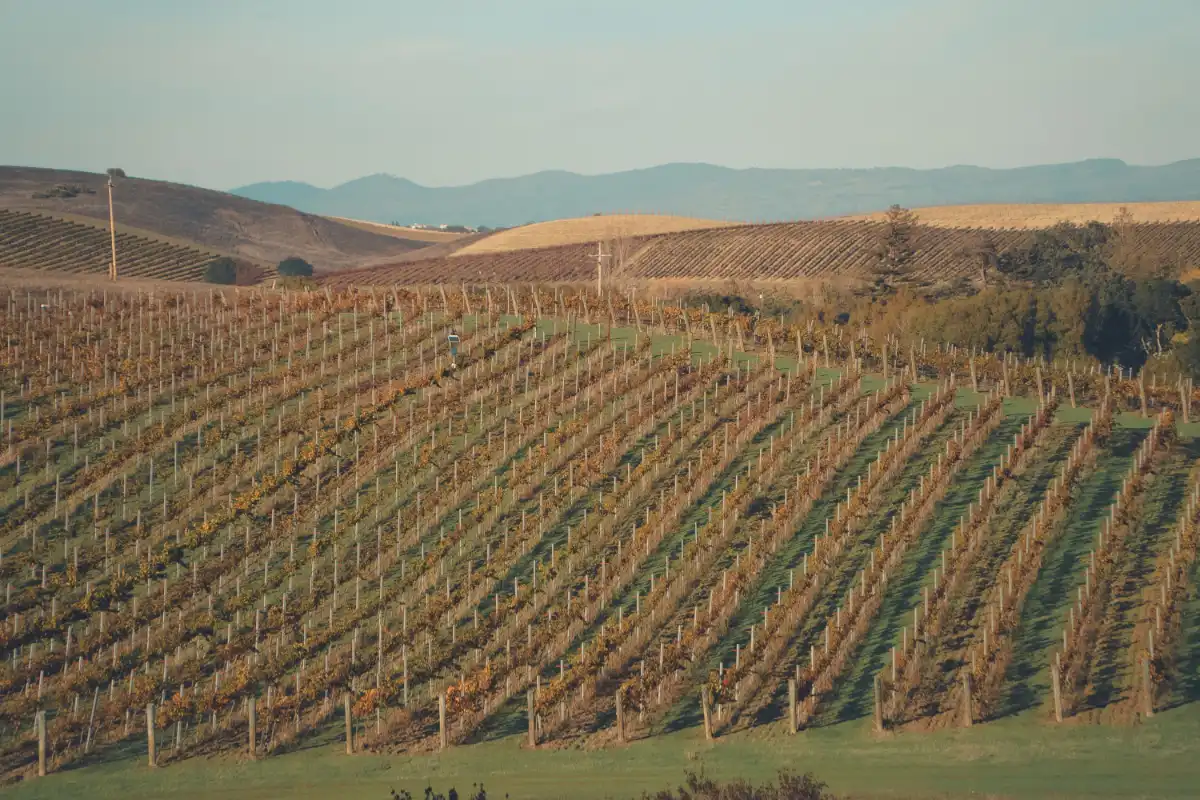
Both valleys follow the same growing season, from bud break in spring to harvest in late summer and fall. Napa Valley runs about 35 miles from Calistoga in the north to American Canyon in the south, and daytime temperatures can differ by up to 10 degrees between the two ends at any given hour.
Carneros spans the Napa and Sonoma border, and Bouchaine Vineyards, one of our winery partners there, is known for its cool-climate wines.
Fall color arrives on a slightly different schedule in each valley. Sonoma County’s typically peaks from mid-October into early November, according to Sonoma County Tourism, while Napa’s vine leaves reach full color a little later in the fall.
For a full comparison of the two regions, see our guide to Napa vs Sonoma from San Francisco.
Plan Your Wine Country Day From San Francisco Around the Season
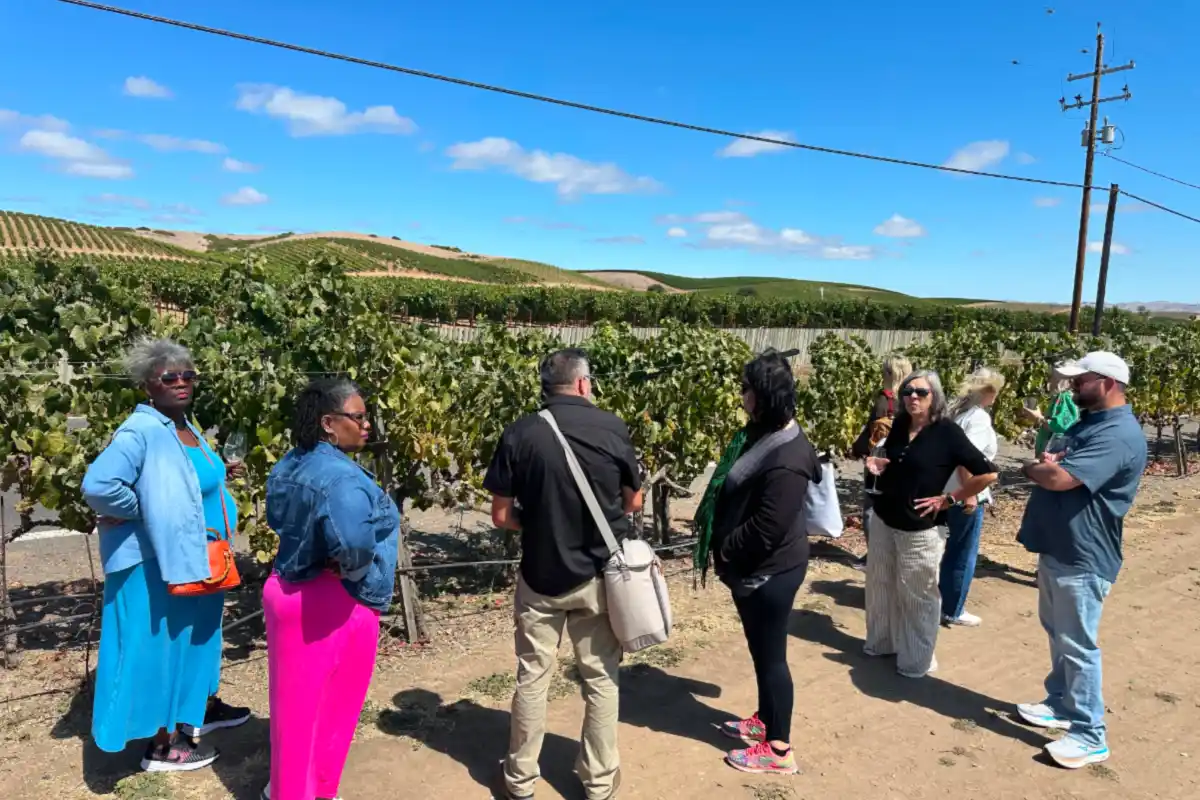
Layers work for visiting Napa in any month. Napa Valley evenings can be up to 30 degrees cooler than the afternoon, and our wine tour FAQ notes that mornings can be cold and the middle of the day hotter. A few seasonal additions:
- Winter and early spring: an umbrella and a rain jacket
- Spring through fall: sunscreen, sunglasses and a hat
- Summer: a sweater for dinner outside
- Any season: comfortable shoes, since many wineries pour at a standing bar and winery tours can involve walking on uneven ground
Bring a valid ID, since the legal drinking age in the United States is 21, and have breakfast before you set out.
Our Wine Country Tour leaves from the Fisherman’s Wharf Sign and gives you two hours for lunch in Sonoma Plaza. Optional hotel pickup is available, and on the day you can ask to finish in Sausalito and take the ferry back to the city at your own pace. If you have a particular Sonoma Plaza restaurant in mind, book lunch ahead, especially on weekends and during harvest.
If you’re making your own way north, our guides to getting from San Francisco to Sonoma and the best ways to reach Napa cover driving, public transit and other options.
See Napa and Sonoma in Any Season on Our Wine Tour
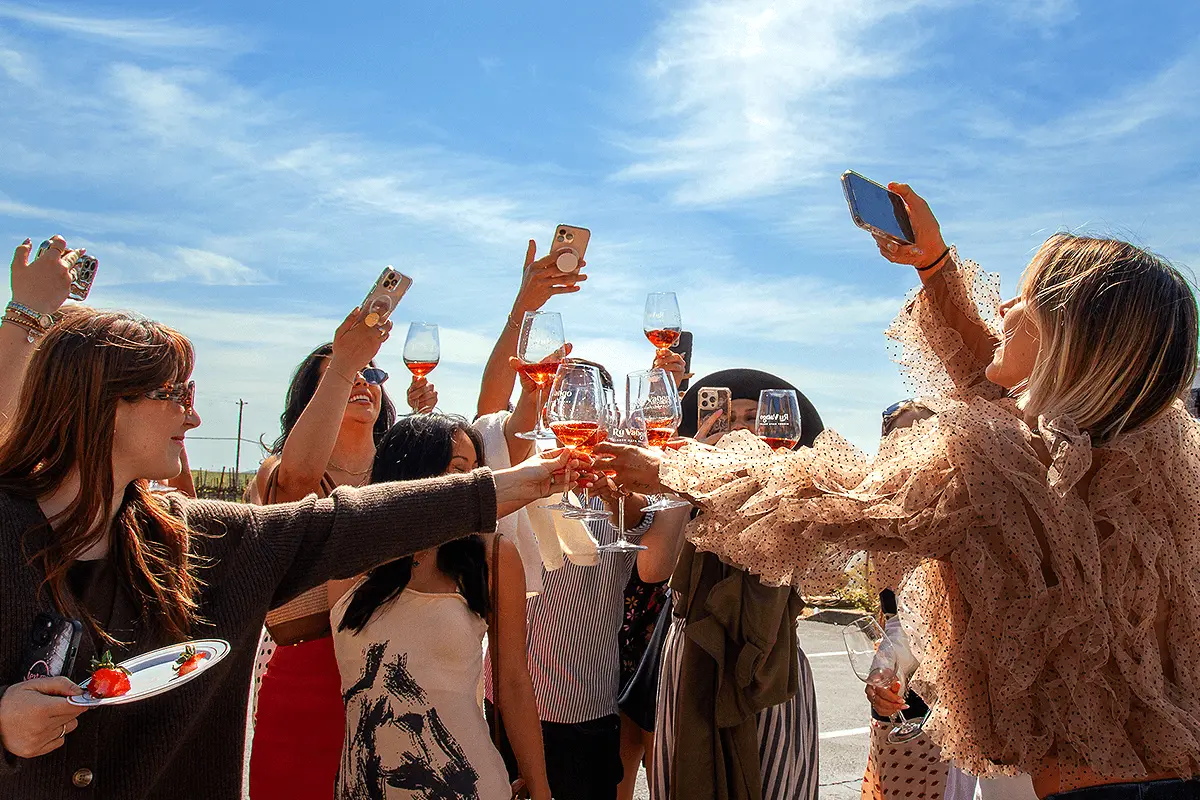
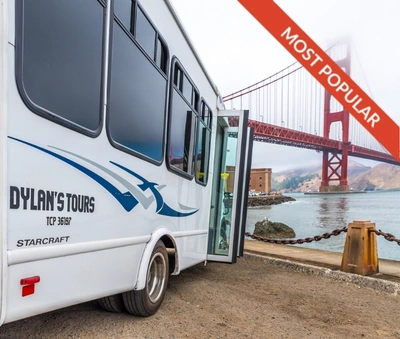
Whichever season fits your trip, our Wine Country Tour handles the driving and the winery reservations, with tasting fees included at both wineries. It’s a small-group day with a local guide and a photo stop at the Golden Gate Bridge along the way.
Dylan David started Dylan’s Tours in San Francisco in 2003, and the company has earned 5,700+ five-star reviews since. Book direct with code SF10 for $10 off.
FAQ About the Best Time to Visit Napa Valley and Sonoma
What is the best month to visit Napa Valley?
September and October are the most popular months, with harvest and crush events across the valley. February is the peak of the mustard bloom, and April and May bring mild weather and green hillsides, so the best month comes down to the kind of day you want.
When is harvest season in Napa and Sonoma?
Harvest in Napa Valley usually starts in August and wraps up in the fall, occasionally running into early November for some red grapes. Sonoma’s harvest falls in the same late-summer and fall window, and both valleys are at their busiest in September and October.
Is November a good time to visit Napa Valley?
Yes, November is a great time to visit if you like a calmer pace. The vine leaves turn yellow and red, and Visit Napa Valley notes fewer crowds at popular wineries and restaurants after harvest. Highs average around 66°F, and the rainy season can begin during the month.
Is February a good time to visit Napa Valley?
February is the heart of mustard season, with peak viewing usually around the middle of the month. It’s also low season, so the tasting rooms are calmer, and winter rain tends to come in short spells between clear, sunny days.
What is the quietest time to visit Napa Valley?
Winter is the quietest season, with Lonely Planet listing November through February as Napa’s low season. Weekdays in those months are calmer still, and Sonoma’s slower season runs from January through March.
What is the best time to visit Sonoma?
Late summer and autumn bring harvest to Sonoma, starting with a bell-ringing celebration on Sonoma Plaza, and fall color usually peaks from mid-October to early November. January through March is the slower season, and our Wine Country Tour visits a winery in Sonoma and another in Napa on the same day.